
Why Most Career Advice Is Wrong — And What Actually Works
Most career advice sounds good, but it does not always help you grow. Real career success takes more than working hard, following your passion, or waiting for the right opportunity. It takes strategy, self-awareness, value, and the right mindset.
Career advice is everywhere. People tell you to follow your passion, work hard, be patient, stay loyal, get a degree, network more, and wait for your opportunity. Some of that advice can be helpful, but much of it is incomplete.
The problem is not always that the advice is completely wrong. The problem is that it is often too simple for real life. Your career is not built by one motivational quote or one perfect decision. It is built through mindset, skill, strategy, timing, communication, and consistent action.
Here is the truth: most career advice focuses on what sounds inspiring. What actually works is learning how to become more valuable, more intentional, and more prepared for better opportunities.
Bad Advice #1: “Just Work Hard and You’ll Get Ahead”
Working hard matters, but hard work alone does not guarantee career growth. Many people work extremely hard and still feel overlooked, underpaid, or stuck.
Why? Because career growth is not only about effort. It is also about visibility, relationships, problem-solving, communication, timing, and the ability to show the value of your work.
Work hard on the right things
Focus on work that creates measurable value. Solve problems that matter. Learn skills that make you more useful. Track your wins. Make sure your effort is connected to outcomes, not just activity.
Bad Advice #2: “Follow Your Passion”
Passion can be important, but passion alone does not always pay bills, create stability, or build a strong career. Sometimes passion grows after you become good at something. Sometimes your purpose is discovered through experience, not before it.
If you only chase what feels exciting, you may ignore opportunities that could build your skills, confidence, income, and long-term options.
Follow your strengths, values, and opportunities
Look for the intersection between what you are good at, what people need, what you can grow into, and what supports the life you want. Passion is helpful, but value and skill create options.
Bad Advice #3: “Be Loyal and They’ll Take Care of You”
Loyalty can be honorable, but blind loyalty can keep people stuck. A company may appreciate you and still not promote you. A manager may like you and still not pay you what you are worth. A workplace may depend on you and still fail to invest in your growth.
Your career is your responsibility. You can be professional, dependable, and respectful without giving up ownership of your future.
Career reminder: be loyal to your growth, your values, your responsibilities, and your future — not just to a job title.
Bad Advice #4: “Wait Your Turn”
Patience matters, but waiting without action can quietly waste years. Some people wait for permission to grow, permission to lead, permission to apply, permission to ask, or permission to believe they are ready.
Better opportunities often go to people who prepare early, speak up, take initiative, and position themselves before the opportunity is officially offered.
Prepare before the opportunity appears
Build the skill before the promotion. Update your resume before you need it. Strengthen your network before you are job searching. Start acting like someone who is preparing for the next level.
Bad Advice #5: “A Degree Is Enough”
Education can open doors, but a degree alone does not guarantee career success. Employers also look for communication, problem-solving, adaptability, leadership, work ethic, and the ability to create results.
Many people have credentials, but fewer people know how to turn those credentials into value.
Build proof of ability
Gain experience, complete projects, build a portfolio, collect measurable wins, learn practical skills, and practice explaining what you can do clearly and confidently.
Bad Advice #6: “Just Network More”
Networking is powerful, but telling someone to “network more” without explaining how can feel confusing or fake. Real networking is not using people. It is building genuine relationships based on respect, curiosity, trust, and shared value.
The best professional relationships are not built only when you need something. They are built over time.
Build real professional relationships
Ask thoughtful questions. Stay in touch. Offer help when you can. Learn from people ahead of you. Follow up after conversations. Be someone people remember for the right reasons.
Bad Advice #7: “Stay Busy”
Being busy does not always mean you are growing. You can be busy answering emails, attending meetings, handling tasks, and reacting to everyone else’s priorities while making no progress toward your own.
Career growth requires intentional effort, not just constant activity.
What Actually Works in Your Career
Career growth becomes more realistic when you stop chasing generic advice and start building a practical system. You need clarity, skill, visibility, relationships, and consistent execution.
Get clear on what you want
You do not need your whole life figured out, but you do need direction. Decide what kind of work, lifestyle, income, growth, and environment you are trying to move toward.
Build valuable skills
Focus on skills that make you more useful and adaptable. Communication, leadership, problem-solving, project management, sales, technology, writing, data, and emotional intelligence can all increase your value.
Track your results
Keep a record of your wins, projects, responsibilities, numbers, improvements, and accomplishments. This helps you update your resume, prepare for interviews, and communicate your value.
Learn how to speak up professionally
Do not assume people automatically notice your work. Learn how to ask for feedback, discuss growth, communicate your goals, and advocate for yourself with confidence and respect.
Take ownership of your future
Your manager, company, school, or family may support you, but they cannot build your career for you. You have to make decisions, take action, keep learning, and adjust when necessary.
The Career Mindset That Changes Everything
The right career mindset does not wait for success to happen. It looks for ways to grow, improve, adapt, and create value.
- Instead of asking, “Why am I not being noticed?” ask, “How can I make my value clearer?”
- Instead of asking, “Why am I stuck?” ask, “What skill, habit, or decision needs to change?”
- Instead of asking, “Why did they get the opportunity?” ask, “How can I prepare for my next one?”
- Instead of asking, “What job can I get?” ask, “What value can I bring?”
The best career advice is not just motivational — it is strategic. It helps you think differently, act intentionally, and build the kind of value that creates better options.
Final Thoughts
Most career advice is wrong because it is too generic. It tells you to work hard, follow your passion, wait your turn, or stay loyal — but it does not teach you how to think, position yourself, build leverage, and create real career growth.
What actually works is becoming intentional. Build skills. Track results. Communicate value. Create relationships. Take ownership. Stay adaptable. Keep moving.
Your career is not built by advice alone. It is built by what you do with the right advice.
Ready to Build a Smarter Career Mindset?
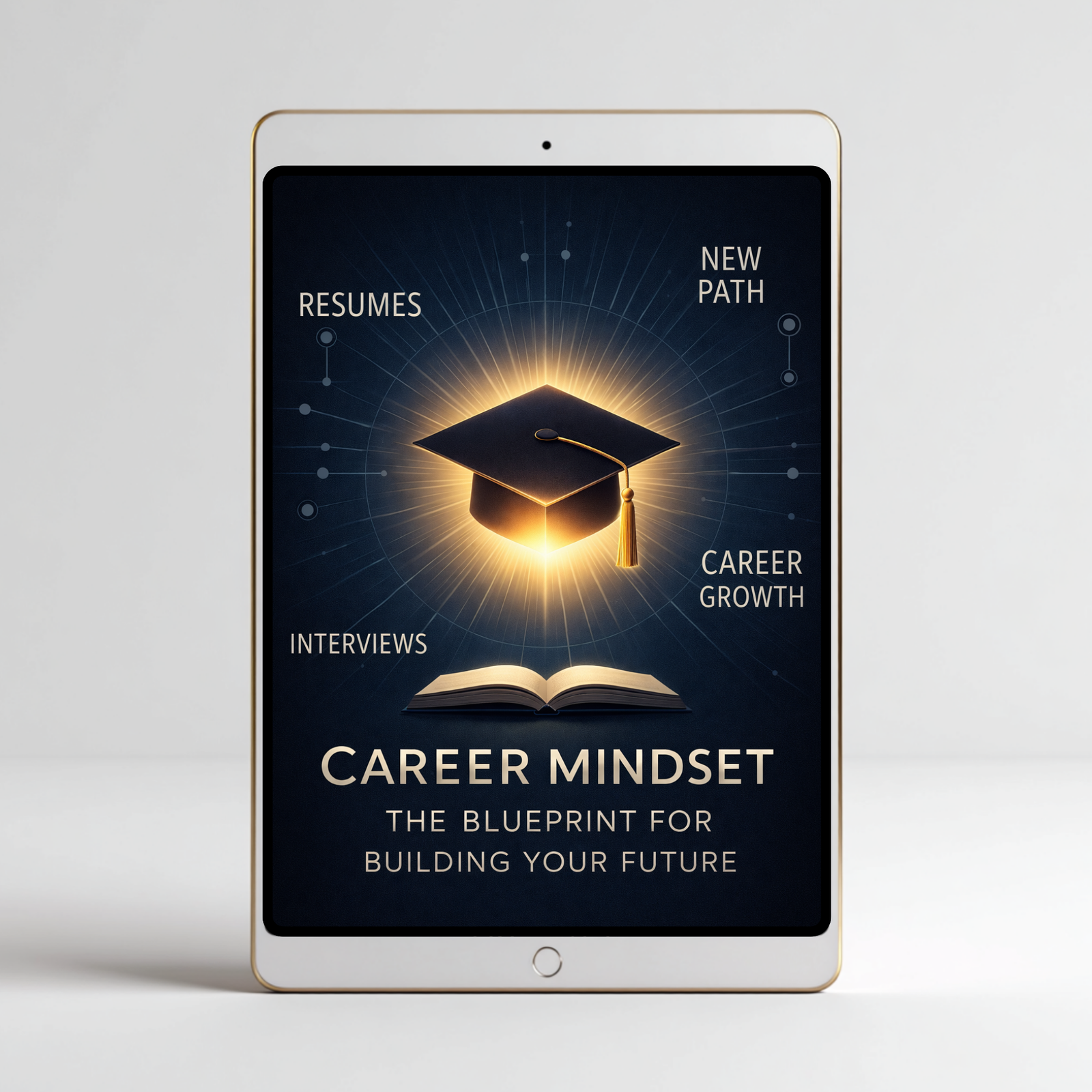
Career Mindset was created to help you stop following generic advice and start thinking strategically about your growth, confidence, and future.
Explore Career Mindset