
Why Do Some Men Cheat?
Being cheated on can leave deep emotional wounds, confusion, and self-doubt. Many women ask themselves why someone who claimed to love them would still seek attention, validation, or intimacy outside the relationship.

Infidelity is rarely caused by one single issue. Sometimes it comes from emotional immaturity, insecurity, selfishness, poor communication, unresolved personal problems, lack of discipline, or a desire for validation.
Cheating does not automatically mean the other person was not attractive enough, loving enough, or valuable enough. In many cases, cheating reflects problems within the person making the decision — not the worth of the partner being betrayed.
Why Some Men Struggle With Loyalty
Loyalty requires discipline, emotional maturity, honesty, and self-awareness. Some people simply are not emotionally prepared for the level of responsibility that comes with commitment.
Instead of communicating openly about dissatisfaction, insecurity, temptation, or emotional needs, some individuals seek validation elsewhere.
Cheating can sometimes be connected to:
Emotional Immaturity
Not knowing how to communicate needs, emotions, boundaries, or dissatisfaction honestly.
Validation Seeking
Using attention from other people to boost ego, confidence, or self-worth.
Lack of Discipline
Struggling to manage temptation, impulses, and selfish desires responsibly.
Fear of Commitment
Wanting relationship benefits without fully embracing loyalty and accountability.

Why Healthy Relationship Examples Matter
The way people view relationships is often shaped by what they learned growing up. Family examples, emotional communication, respect, and accountability all influence how someone approaches commitment later in life.
Emotional responsibility and respect for partners should be taught early, not only after unhealthy habits have already formed.
Healthy relationships are built through emotional maturity, honesty, communication, and respect — not just attraction.

Do Not Ignore Red Flags
Many people ignore warning signs because they hope someone will eventually change. But repeated lying, secrecy, manipulation, emotional inconsistency, or disrespect should never be ignored.
Trust should not require constant anxiety, confusion, or emotional exhaustion.
If someone repeatedly disrespects your boundaries or breaks your trust, protecting your emotional well-being becomes important.
Why You Should Never Blame Yourself Completely
Being cheated on can cause people to question their appearance, worth, intelligence, or value. But someone else’s inability to remain loyal should not become your burden to carry emotionally forever.
A healthy partner communicates problems honestly instead of betraying trust secretly.
Healing starts when you stop internalizing another person’s unhealthy decisions as proof that you are not enough.
Healthy Relationship Tips
- Pay attention to consistency, not just words.
- Trust your instincts when something feels off.
- Do not ignore repeated disrespect or dishonesty.
- Choose emotionally mature partners.
- Build relationships on communication and honesty.
- Do not allow emotional attachment to blind you from unhealthy patterns.
Relationship Guides Designed to Help You Date With More Clarity
Whether you are trying to understand unhealthy relationship patterns, avoid emotionally unavailable partners, or build stronger relationship awareness, these guides were created to help you think deeper about love, trust, emotional maturity, and self-worth.
Welcome Inside a Man’s Mind
Explore dating, attraction, emotional patterns, communication, and relationship dynamics through a male perspective.
Read the Guide
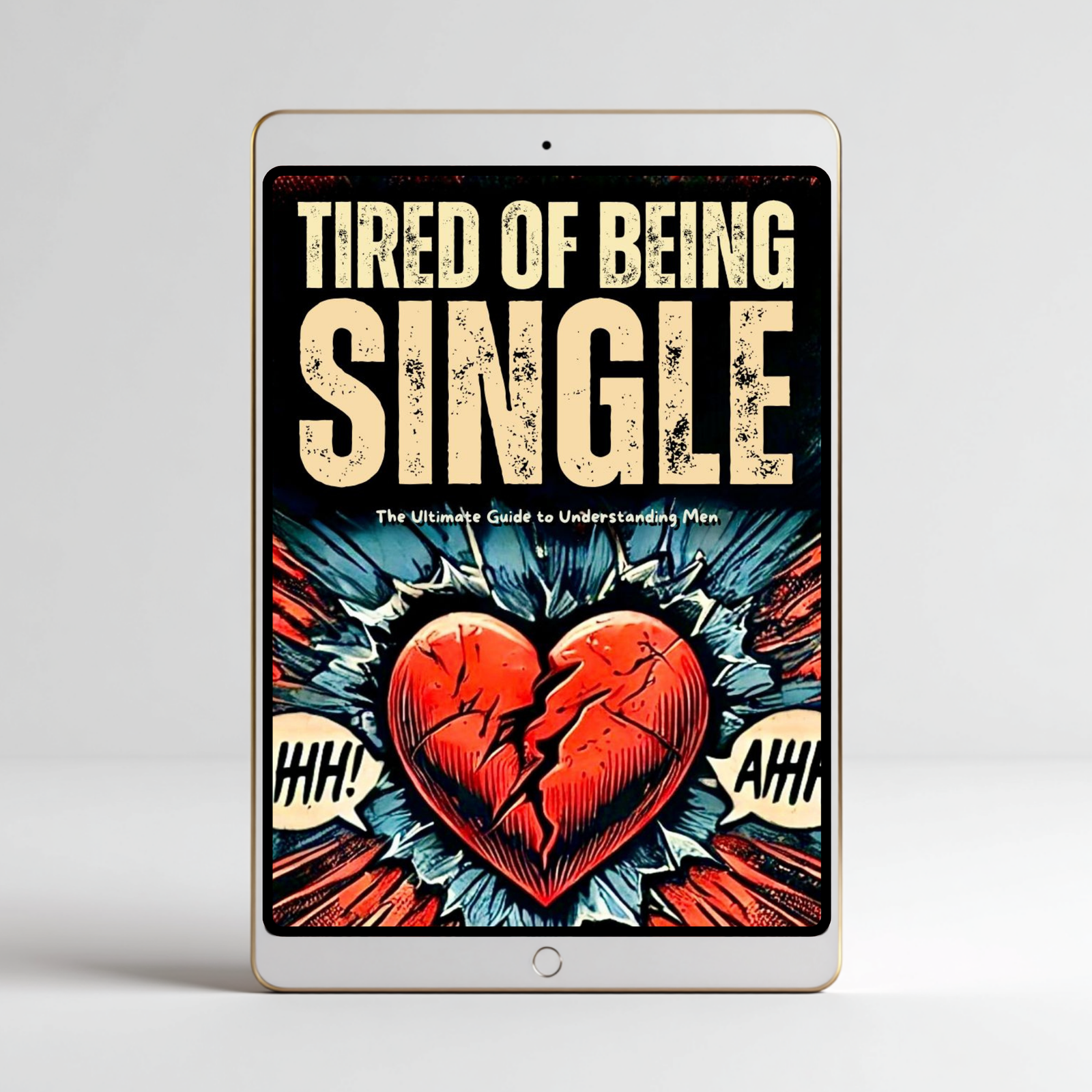
Tired of Being Single
A self-growth and dating guide designed to help women understand dating patterns, emotional attachment, self-worth, and healthier relationship choices.
Read the eBookFinal Thoughts
Cheating can create deep emotional pain, but it should never define your worth or future relationships.
Healthy love requires loyalty, communication, honesty, discipline, emotional maturity, and respect.
The right relationship should bring emotional safety and trust — not constant confusion, fear, or emotional instability.