
Career Advice No One Tells You in Your 20s
Your 20s can feel confusing, exciting, stressful, and full of pressure. Everyone tells you to work hard, but few people explain how to think strategically, build value, and create a career path that actually fits your future.
Your 20s are often described as the time when you are supposed to “figure life out.” But the truth is, most people are still learning who they are, what they want, what they are good at, and what kind of future they want to build.
You may feel pressure to choose the perfect career, make more money, move up quickly, and have everything together. But career growth is not just about finding the right job. It is about developing the right mindset, habits, skills, and direction.
Here is the truth: your 20s are not just for having everything figured out. They are for building the foundation that your future self will thank you for.
1. Your First Job Does Not Define Your Whole Career
Many people put too much pressure on their first job. They think if they do not start in the perfect role, perfect company, or perfect industry, they are already behind.
But your first job is not your final identity. It is a starting point. It teaches you how to communicate, solve problems, work with people, manage responsibility, handle feedback, and understand what you do and do not want.
Use every job as information
Even a job you do not love can teach you something valuable. Pay attention to what gives you energy, what drains you, what skills you enjoy using, and what environment helps you perform best.
2. Hard Work Alone Is Not Enough
Working hard matters, but hard work by itself does not always lead to promotions, raises, or better opportunities. Many hardworking people stay stuck because they never learn how to position themselves.
You have to learn how to communicate your value, build relationships, ask for opportunities, solve visible problems, and make sure the right people understand the impact of your work.
3. Your Reputation Starts Earlier Than You Think
In your 20s, it is easy to think people are only judging your experience level. But people also notice your attitude, reliability, communication, work ethic, emotional maturity, and how you handle pressure.
Your reputation is being built in small moments: showing up on time, following through, taking accountability, treating people well, and doing what you said you would do.
- Be known as someone dependable.
- Be known as someone coachable.
- Be known as someone who takes ownership.
- Be known as someone who solves problems instead of creating more.
4. Networking Is Not Fake — It Is Relationship Building
A lot of people hear the word “networking” and think it means being fake, using people, or trying to force conversations. But real networking is simply building genuine professional relationships before you need them.
Opportunities often come through people. That does not mean talent does not matter. It means people are more likely to recommend, refer, mentor, or support someone they know, trust, and respect.
Start simple
Connect with coworkers, former classmates, managers, mentors, and people in industries you admire. Ask thoughtful questions. Stay in touch. Be respectful. Add value where you can.
5. Your Skills Matter More Than Your Title
Titles can be impressive, but skills create long-term career security. A title can change, but the skills you build travel with you.
In your 20s, focus on building skills that make you more adaptable and valuable: communication, leadership, problem-solving, data analysis, project management, sales, writing, technology, negotiation, and emotional intelligence.
6. Do Not Stay Somewhere Just Because You Are Comfortable
Comfort can feel safe, but it can also quietly limit your growth. Sometimes people stay in roles too long because they are afraid to start over, afraid of rejection, or afraid they are not qualified for something better.
Staying in one place is not always bad. But staying because of fear can cost you time, income, confidence, and opportunity.
Ask yourself: Am I staying because this role is still helping me grow, or am I staying because I am afraid to try something new?
7. Learn How Money Works Early
Career success is not only about getting paid. It is also about learning how to manage what you earn. A higher salary will not help much if you do not understand budgeting, saving, investing, debt, lifestyle inflation, and long-term planning.
In your 20s, build financial habits that support your freedom. The goal is not to be perfect. The goal is to become aware, disciplined, and intentional.
8. Confidence Comes From Keeping Promises to Yourself
Many people wait to feel confident before they take action. But confidence usually comes after action. It grows when you prove to yourself that you can follow through.
Every time you do what you said you would do, you build self-trust. Every time you break promises to yourself, you weaken it. Start with small commitments and keep them.
- Apply for the job even if you feel nervous.
- Finish the course you started.
- Update your resume before you need it.
- Ask for feedback instead of avoiding it.
- Show up consistently, even when motivation fades.
9. Rejection Is Not Proof That You Are Not Good Enough
You will not get every job. You will not receive every promotion. You will not be chosen for every opportunity. That does not mean you are not capable.
Rejection is part of the career process. Sometimes it means you need more experience. Sometimes it means the timing was not right. Sometimes it means the opportunity was not aligned with where you are supposed to go next.
10. Direction Matters More Than Perfection
You do not need a perfect 10-year plan to start making progress. You need direction. Direction helps you make better choices, choose better opportunities, and stop wasting energy on things that do not align with your future.
Your direction can change as you grow. That is normal. The goal is not to have every detail figured out. The goal is to keep moving with intention.
What to Do Right Now
If you are in your 20s and trying to build a better career, start with these steps:
- Write down what you want your career to look like in the next three years.
- Identify three skills that would make you more valuable.
- Update your resume, even if you are not actively job searching.
- Reach out to one person who can give you career advice.
- Track your wins so you can clearly communicate your value.
- Stop comparing your timeline to people who are living a different story.
Remember: your 20s are not about having every answer. They are about building the mindset, discipline, skills, and courage that create better options later.
Final Thoughts
The career advice no one tells you in your 20s is that success is not just about working hard or choosing the perfect job. It is about becoming someone who thinks strategically, learns constantly, builds relationships, takes ownership, and refuses to stay stuck.
You do not have to have everything figured out today. But you do need to start paying attention to the habits, choices, and mindset that are shaping your future.
Your career is not built in one big moment. It is built through small decisions repeated over time.
Ready to Build a Stronger Career Mindset?
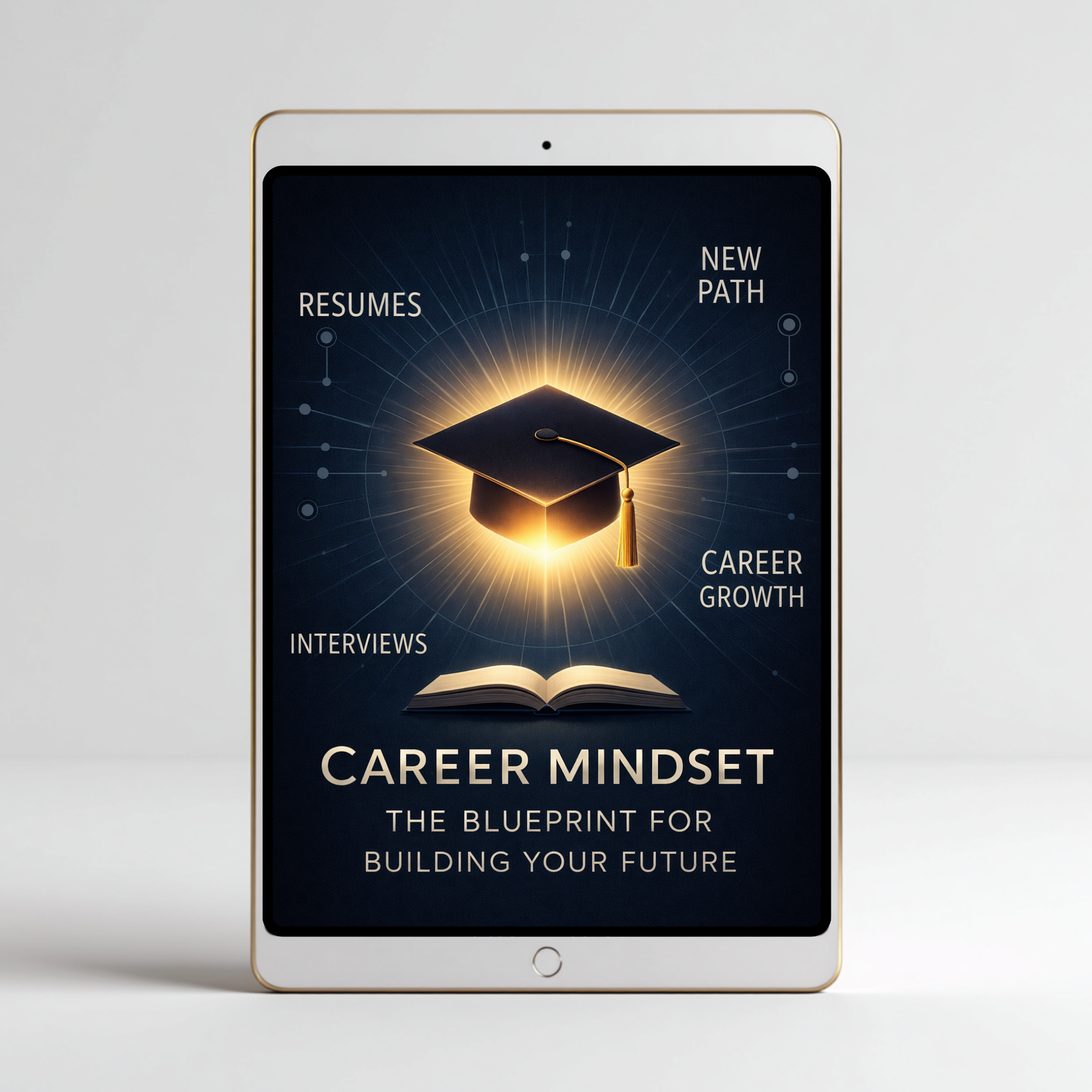
Career Mindset was created to help you think differently, move with purpose, build confidence, and take ownership of your future.
Explore Career Mindset